
Plan How You’ll Clear Your Driveway or Sidewalk
A snow blower makes clearing snow from a driveway or sidewalk much easier and faster than clearing it with a snow shovel alone, but before you start your snow blower and begin clearing, create a plan.

Battery-Powered Snow Blowers
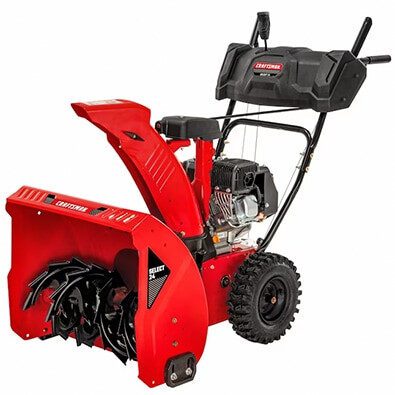
Gas Snow Blowers

Electric Snow Blowers
Look at the Area You Need to Clear
⦁ If you have several inches of snow already with more falling, you might want to clear now and again later rather than waiting until you have to clear a heavy snowfall all at once.
⦁ If there’s not a lot of snow on the driveway or sidewalk now and you only expect a bit more, you might decide to wait and clear it all at once.
⦁ Clear away any debris or obstacles. Check for evidence of anything buried in the snow.
⦁ Keep children, pets and bystanders away from the work area.
⦁ Make sure weather conditions are safe for working.

Look at the Area You Need to Clear
⦁ If you have several inches of snow already with more falling, you might want to clear now and again later rather than waiting until you have to clear a heavy snowfall all at once.
⦁ If there’s not a lot of snow on the driveway or sidewalk now and you only expect a bit more, you might decide to wait and clear it all at once.
⦁ Clear away any debris or obstacles. Check for evidence of anything buried in the snow.
⦁ Keep children, pets and bystanders away from the work area.
⦁ Make sure weather conditions are safe for working.
Prepare to Start and Use a Snow Blower
Now that you have a plan, it’s time to get yourself and the snow blower ready.
Review the Snow Blower Manual
Read the manual to be sure you understand the features of the machine and safe operation: how to start and stop, how to steer, how to direct the discharge, etc. In addition to the engine or motor, there are several key parts to be familiar with:
⦁ The shave plate directs snow into the auger.
⦁ Skid shoes adjust the height of the snow blower.
⦁ The auger collects snow.
⦁ The impeller, if equipped, drives snow into the discharge chute.
⦁ The discharge chute directs the collected snow away.
Know How to Start a Snowblower
There is likely a key to insert or a safety button to press before starting the machine.
⦁ Gas-powered blowers may have a fuel valve you need to open. They usually start with a couple of pulls of a recoil cord or by means of an electric starter you plug into an outdoor outlet.
⦁ Corded and cordless snow blowers start with the push of a button once you plug them into a suitable outlet or install the batteries.
Have the Right Safety Gear and Work Gear
Your manual specifies safety gear, such as eye protection and hearing protection. You’ll need insulated gloves and closed toe, slip-resistant boots and several layers of cold-weather clothes. Protect your face from subfreezing temperatures.
Prepare the Snow Blower for Inspection and Maintenance
Follow any pre-maintenance or pre-inspection instructions from your manual. In general, disengage the control levers and ensure the machine is off with no moving parts. Remove the key, if equipped. On a gas model, disconnect the spark plug wire and ground it on the engine. Disconnect an electric model from power.
Inspect the Snow Blower
⦁ Check for loose fasteners and damage or wear.
⦁ Make sure shear pins, skid shoes and the shave plate are in good shape.
⦁ Check fuel and oil levels or battery charge.
⦁ For a corded machine, check the power cord for damage. Replace it if necessary.
⦁ Check the tires.
⦁ Adjust the skid shoes to raise the shave plate for uneven surfaces or to lower it for paved surfaces. Check your manual for specifics.
If you find damage, make sure it’s repaired before you use the snow blower.

Steps for Using a Snow Blower
We’ve got general instructions on how to use a snow blower below, but operation varies by model. Always follow the manufacturer’s instructions for using, maintaining and storing your snow blower.
Don’t start or operate a gas snow blower in a garage, shed or other enclosed space.
Clearing snow can be strenuous. Follow your healthcare provider’s recommendations about physical exercise and exertion. Frostbite, hypothermia and even overheating are concerns with strenuous work in subfreezing temperatures. Add or remove layers if you begin to feel too cold or warm.
If the chute becomes clogged, disengage the drive and auger controls. Prepare the machine as described above in Prepare the Snow Blower for Inspection and Maintenance. Use the provided clean-out tool as specified in the manual to break up any clogs and scoop the material from the chute.

Keep all body parts out of the chute. Use only the clean-out tool to clear clogs.
Take Care of Your Snow Blower
Maintenance helps keep your snow blower working efficiently and safely. Our guide, Maintain Your Snow Blower, gives you general maintenance steps, but follow the instructions in your manual. Start by preparing the machine as we describe above in Prepare the Snow Blower for Inspection and Maintenance. Then, you’ll typically:
⦁ Check all the fasteners, shear pins, skid shoes, safety guards and the scraper plate.
⦁ Check that controls function correctly.
⦁ Lubricate moving parts.
⦁ Inspect the auger or paddles for damage.
⦁ Repair or replace any damaged parts.
⦁ Periodically change the oil and replace the spark plug and air filter on a gas machine.
At the end of the season, prepare the fuel system of a gas-powered snow blower. Your manual has steps for removing the remaining fuel from the system. Some manufacturers might recommend a fuel stabilizer as an alternative. For a cordless snow blower, there are off-season battery care steps. See your manual for specific instructions for your gas or electric machine.
Electric Snow Blowers vs. Gas Snow Blowers
There are many different types of snow blowers and features. The first decision you’ll need to make is whether you want to buy a gas-powered snow blower or an electric snow blower. Consider the surface area you need to clear as you decide. For example, if you have a long driveway, then you may want a gas-powered model so your range won’t be limited by a cord and so you won’t have to worry about keeping batteries charged.
Electric snow blowers are also a good choice and cordless snow blowers give you plenty of mobility. Electric models are lightweight and easier to move around. Since they don’t need oil and gas, electric snow blowers are easier to maintain than gas models. An electric model is also typically quieter than a comparable gas model and the motor operates without the emissions that a gas engine creates.

Get What You Need to Use a Snow Blower at Lowe’s
Preparing for the work and having a plan makes using a snow blower easier and more effective. Keeping your machine in top shape keeps it ready for the next snowfall. Shop Lowes.com to find maintenance supplies and safety gear for your snow blower. You can also visit your local Lowe’s, where a Red Vest associate can help you find everything you need to use a snow blower and keep your driveway and sidewalk clear.